The western fjords in 10 days
Bergen to the Atlantic Road over Sognefjellet and Trollstigen, with three ferries.
- Duration
- 10 days
- Distance
- 822 km
- Ferries
- 3
- Season
- June–September
€24Read more

Five fjords carry most of western Norway's reputation: the Sognefjord (205 km), its narrow arm the Nærøyfjord, the Geirangerfjord, the Hardangerfjord and the Lysefjord. Some fjord routes, such as Hardanger, are open all year, but the high roads above the fjords close in winter: plan for May to September, knowing that some passes have opened as late as 29 June in previous years (status: October 2026).
All lengths are from Norway's national encyclopaedia. The Nærøyfjord is narrow even by fjord standards: just south of Bakka it is less than 500 metres wide, with the summits of Bakkanosa (1,398 m) and Vindegga (1,295 m) only 3 km apart.
The World Heritage listing. UNESCO inscribed "West Norwegian Fjords – Geirangerfjord and Nærøyfjord" in 2005. The two fjords lie 120 km apart, and UNESCO describes rock walls that rise up to 1,400 m from the Norwegian Sea and reach 500 m below sea level. UNESCO also notes that tourism pressures are intense in both fjords, but that most visitors arrive on cruise ships during a short season.
Stegastein's parking. The road authority has tightened the rules for 2026. Parking at Stegastein is now paid and limited to half an hour, enforced by Aurland municipality. Traffic hosts are on duty on weekdays in July and August, and the car park has been expanded to almost three times its earlier capacity. In July a shuttle bus runs from Hopen, so motorhomes can avoid the narrow road up. The road authority also suggests driving on over Aurlandsfjellet to Lærdal and back through the 24.5 km Lærdal Tunnel, rather than out and back on the same road.
Most fjord crossings are AutoPASS ferries: you queue, and the plate or tag is read as you board. Prices depend on vehicle length, including bikes and boxes. Some 2026 full prices for a vehicle under 6 m:
A private AutoPASS prepayment agreement halves these fares. Eidsdal–Linge and Lavik–Oppedal are shown on tables valid from 1 September 2026. Eidsdal–Linge is also on Møre og Romsdal's summer-rate list, so it costs more from 1 May to 31 August. The summer price itself was not shown in the table we read.
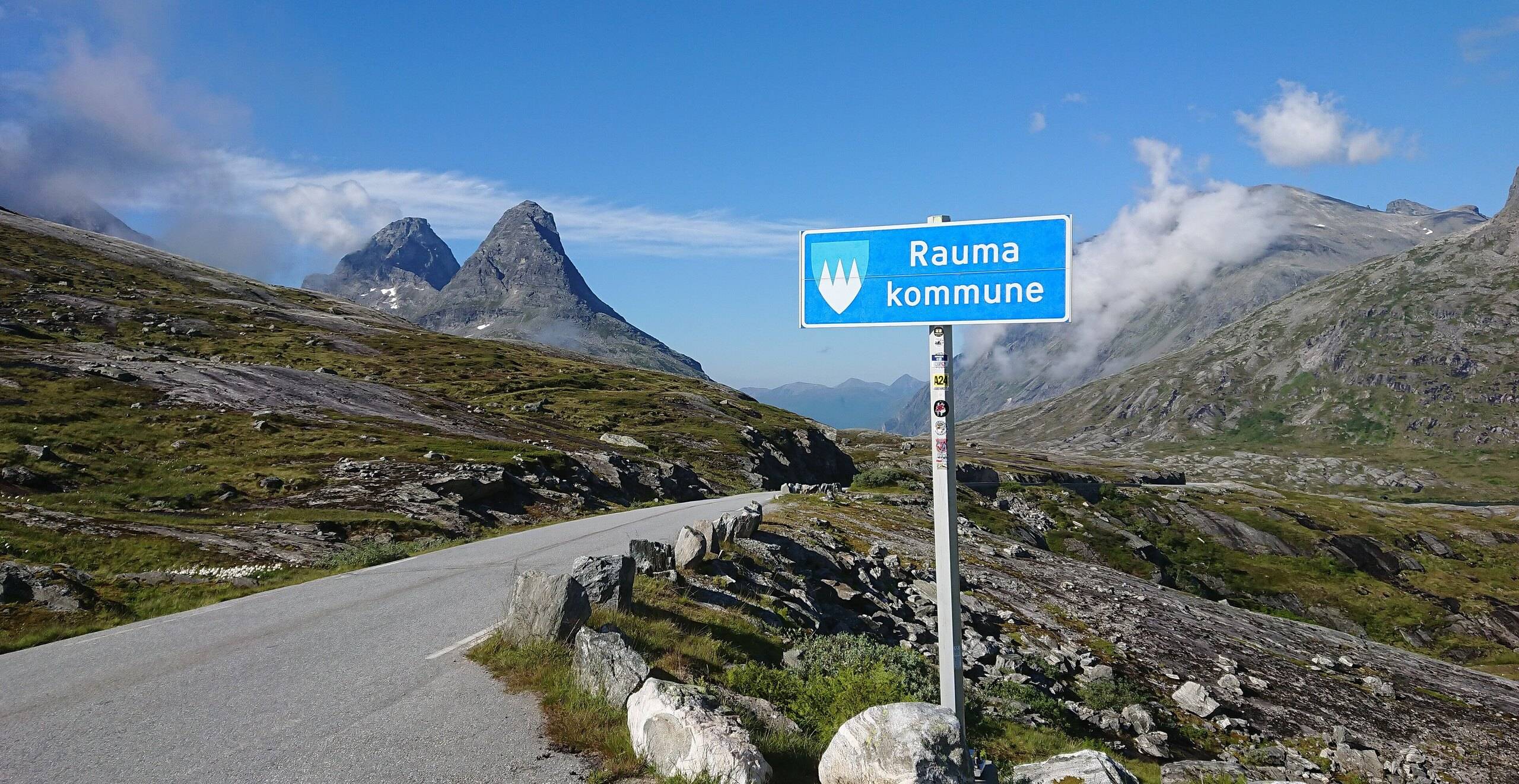
The Scenic Route Hardanger is open all year. The high roads that give the famous views close in winter, and their opening dates move by weeks from year to year: on the Geiranger–Trollstigen route, previous openings range from 27 April to 17 June. Aurlandsfjellet, the road from Aurland over the mountain to Lærdal, is closed in winter. In 2026 it opened on 1 June, and previous openings fell on 7 May and 3 June. The road from Aurlandsvangen up to Stegastein stays open all year. Gamle Strynefjellsvegen, the old road between Grotli and Videsæter, has opened as early as 15 May and as late as 29 June. After opening, the road authority warns, these roads may still close at night and in bad weather.
Cruise ships in 2026. From 1 January 2026, passenger ships under 10,000 gross tonnage in the World Heritage fjords must use energy sources with no direct CO₂ or methane emissions. Ships of 10,000 gross tonnage and more follow from 1 January 2032. So large cruise ships can still call in 2026.
The national rules apply. The Norwegian Environment Agency says camping with a motor vehicle follows the right-to-roam rules: at least 150 metres from an inhabited house or cabin, and as a main rule no more than two days in one place. The road authority says rest areas and ferry terminals are not intended for overnight stays. At Preikestolen the car park's operator states that sleeping in vehicles is strictly prohibited.
Emptying the toilet: not at Scenic Route toilets. For the Geiranger–Trollstigen route the road authority names Isterdalen, Valldal and Geiranger as the nearest dump stations. For the Hardanger route it names Kinsarvik, Odda and Norheimsund.
All pages read on 7 October 2026.
Bergen to the Atlantic Road over Sognefjellet and Trollstigen, with three ferries.
Rules and costs that apply wherever you drive.