Where can you camp in Norway? The right to roam, explained
Norway's right to roam lets you pitch a tent almost anywhere in nature, within clear rules: what allemannsretten allows, what it doesn't, and what that means.
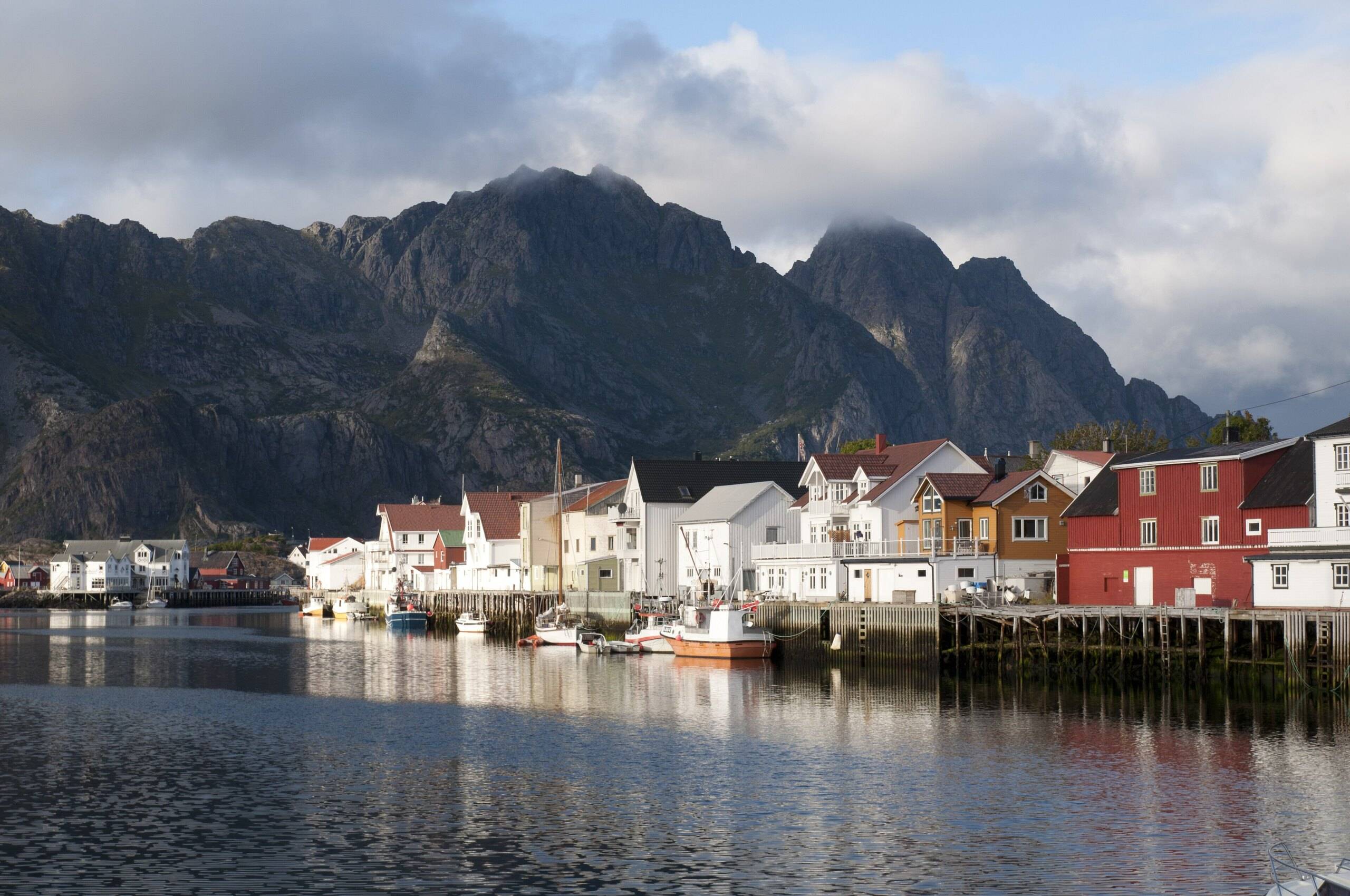
Norway's allemannsretten, the right to roam, is one of the best things about travelling here. It is written into the Outdoor Recreation Act (friluftsloven): anyone may walk in uncultivated land (utmark) all year round, as long as they do so considerately and with due care. It comes with responsibilities, and it covers less than many visitors assume.
Pitching a tent
In uncultivated land — forest, mountain, coast and moorland — you may pitch a tent without asking the landowner, but not for more than two nights in the same place. On high mountains and in areas far from settlements, longer stays need no consent unless they could cause noticeable damage or nuisance. Keep at least 150 metres from the nearest house or cabin that is lived in, and do not camp on cultivated land — farmyards, gardens, fields and pasture — without the owner's consent.
Fires
Between 15 April and 15 September, lighting a fire in or near woodland and other open land is forbidden. It is allowed only where the municipality has given permission or where it is obvious that no fire can start. When the fire risk is especially high, the municipality can ban fires altogether. When in doubt, don't.
Campers and cars are a different matter
The right to roam is a right to move on foot. For vehicles the act says much less: beside a public road you may park in uncultivated land if it causes no noticeable damage or nuisance, and the owner of a private road can ban driving and parking on it. Car parks, lay-bys and many popular areas have their own signs and rules. Use campsites, dedicated motorhome areas, and places where signs or the landowner say you are welcome.
Leave no trace
The whole system depends on people using it well. Take all rubbish with you, use toilets where they exist, and leave a place looking as if no one had been there. Where many people visit, the municipality can set extra rules of conduct for an area, so read the local signs.
Sources
- lovdata.no/lov/1957-06-28-16/§2 · accessed 7 October 2026
- lovdata.no/lov/1957-06-28-16/§9 · accessed 7 October 2026
- lovdata.no/forskrift/2015-12-17-1710/§3 · accessed 7 October 2026
- lovdata.no/lov/1957-06-28-16/§4 · accessed 7 October 2026
- lovdata.no/lov/1957-06-28-16/§15 · accessed 7 October 2026