Driving in Norway — the rules and systems that surprise visitors
Tolls without toll booths, ferries that are part of the road, headlights at noon and 80 km/h on open roads — what to know before driving in Norway.
A few things about driving in Norway work differently from almost everywhere else. Most visitors only discover them when the first bill arrives, or in a ferry queue.
Tolls happen without you noticing
All toll stations in Norway are automated: there is nothing to stop at and no booth to pay at. The system is called AutoPASS.
A foreign-registered vehicle can drive without a toll tag. Without any registration, the owner is invoiced afterwards, and the cost of looking up the owner can be added to the invoice. You can register the vehicle with Epass24 before you travel (no discount), or sign a user agreement with a toll service provider and get a tag by post, which gives 20% off each passage. With a rental car, check the rental contract for how tolls are charged on to you.
Ferries are part of the road
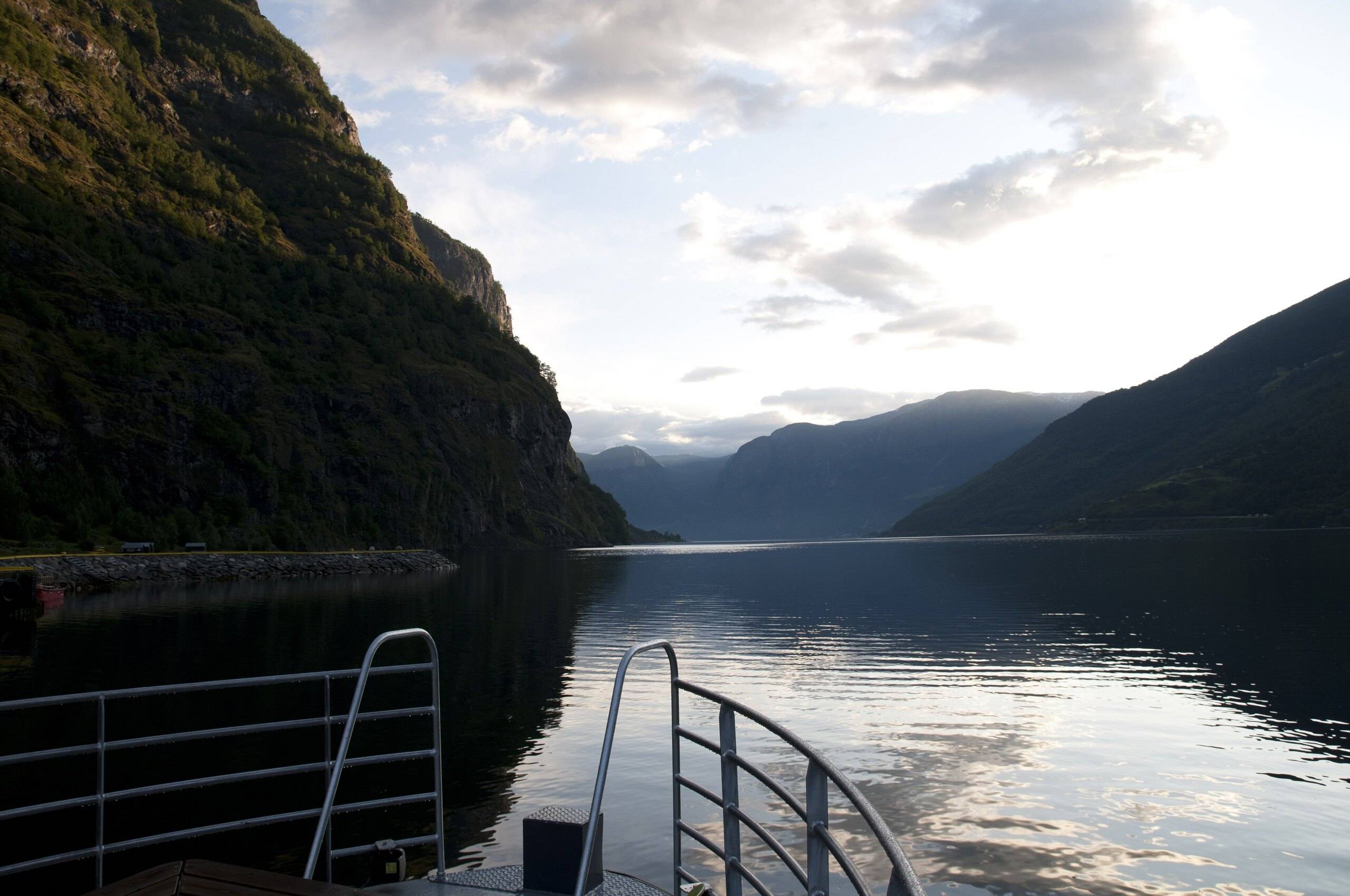
In western and northern Norway, many roads simply stop at the water, and a ferry takes over. On most ferries you can pay with an AutoPASS tag, or with FerryPay. If you use neither, an invoice with a NOK 35 fee is sent by post to the vehicle's owner.
Some crossings are run by operators who take bookings. The car ferry between Bodø and Moskenes in Lofoten, for example, is run by Torghatten Nord, where journeys can be looked up and booked on the operator's website. The rule of thumb: plan your day around the ferries, not the other way round.
Lights, speed and alcohol
- Lights must always be on while you drive — dipped beam, high beam or approved daytime running lights — whatever the weather or time of day.
- The general speed limit is 50 km/h in built-up areas and 80 km/h outside them, unless signs say otherwise.
- The alcohol limit is 0.2 per mille in the blood, effectively zero.
Mountain roads close
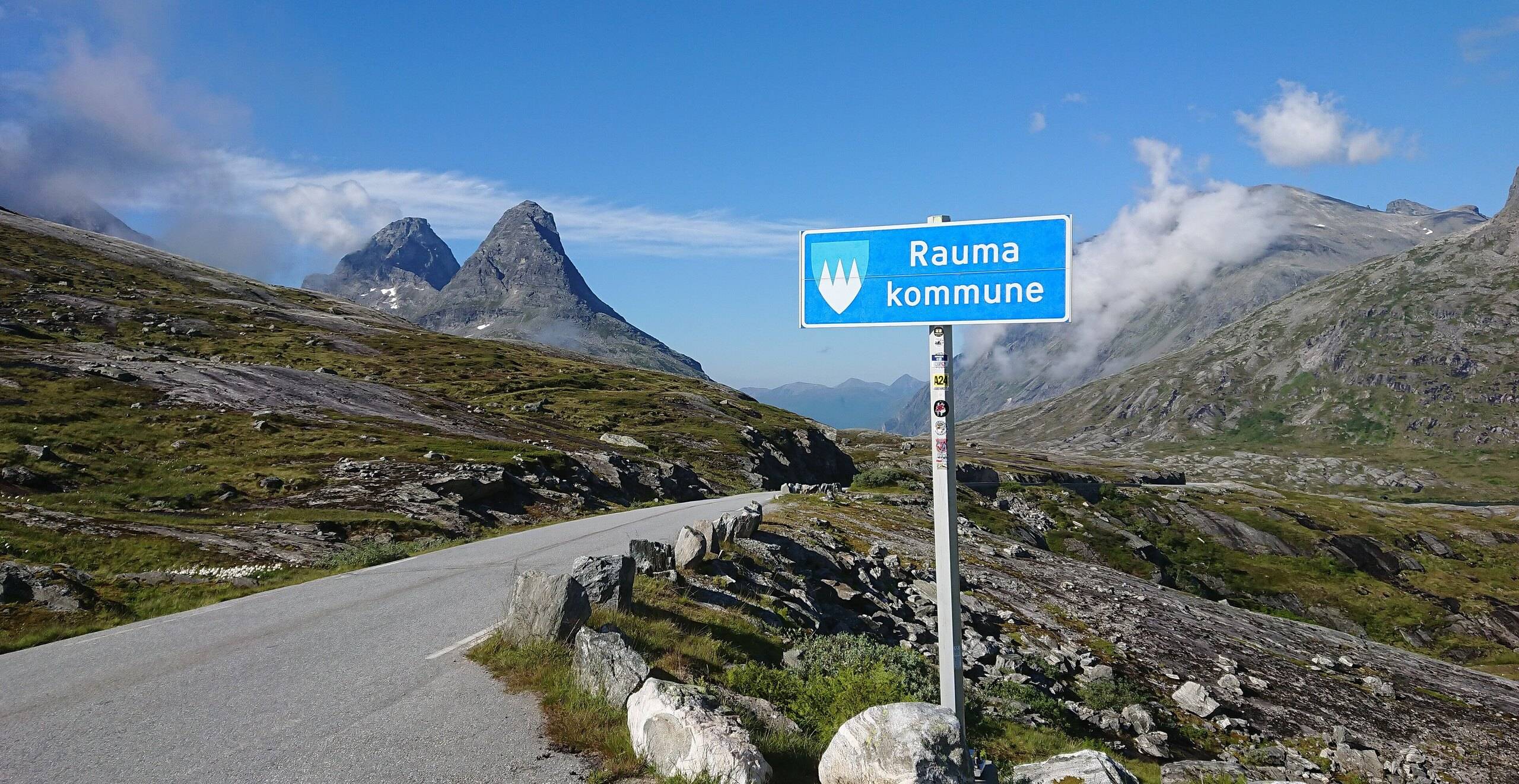
Several of the most famous roads cross mountains and are closed in winter, including Trollstigen and Sognefjellet. The opening date changes every year with the snow: Trollstigen has opened as early as 29 April and as late as 12 June, Sognefjellet between 12 April and 1 May. Even after opening, these roads may close for a period at night and in bad weather.
Check closed roads, tunnels and bridges with the Norwegian Public Roads Administration before you plan a day around one.
Sources
- autopass.no/en/user/foreign-vehicles-2 · accessed 7 October 2026
- autopassferje.no/en · accessed 7 October 2026
- torghatten-nord.no · accessed 7 October 2026
- lovdata.no/forskrift/1986-03-21-747/§15 · accessed 7 October 2026
- lovdata.no/lov/1965-06-18-4/§6 · accessed 7 October 2026
- lovdata.no/lov/1965-06-18-4/§22 · accessed 7 October 2026
- nasjonaleturistveger.no/en/routes/geiranger--trollstigen · accessed 7 October 2026
- nasjonaleturistveger.no/en/routes/sognefjellet · accessed 7 October 2026
- vegvesen.no/en/traffic-information/traffic-information/drive-sa… · accessed 7 October 2026